



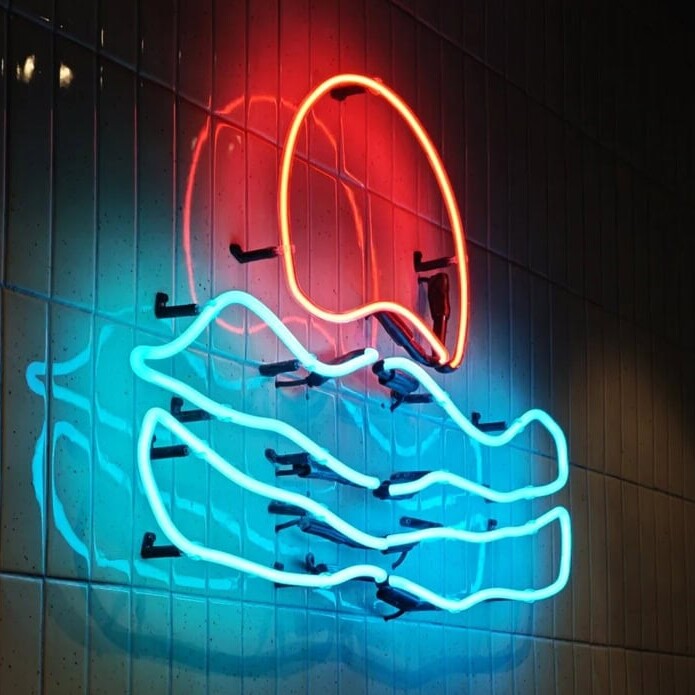
Custom Neon Signs for Arcades and Entertainment Venues
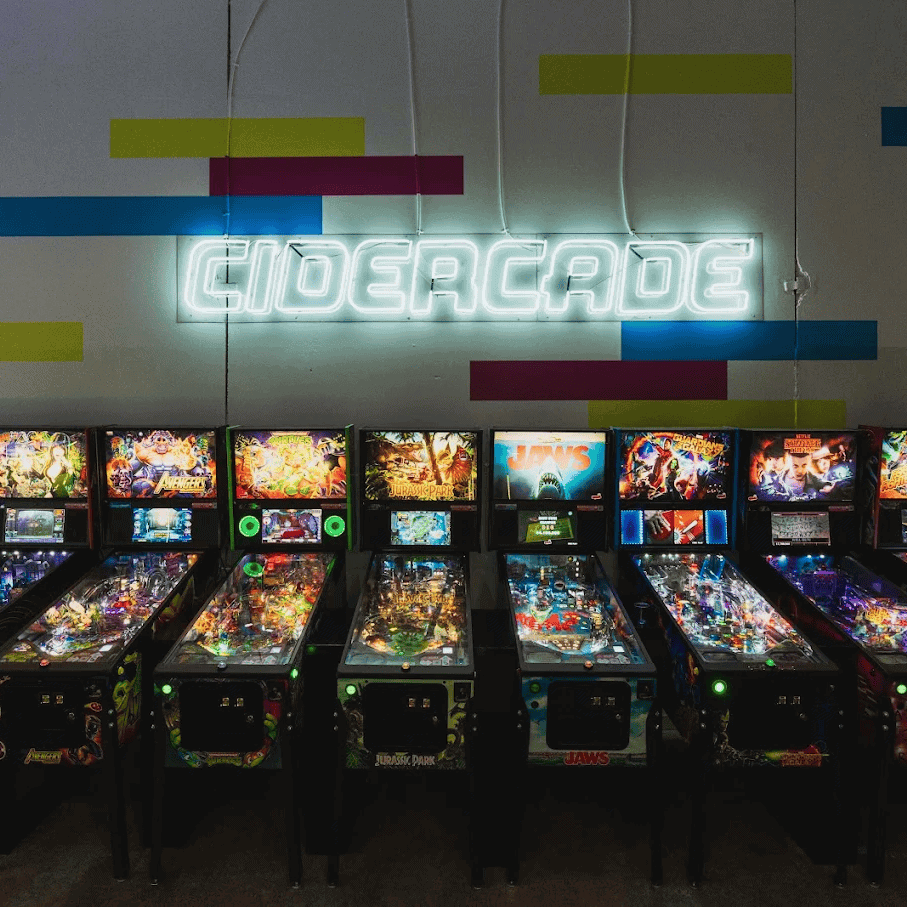
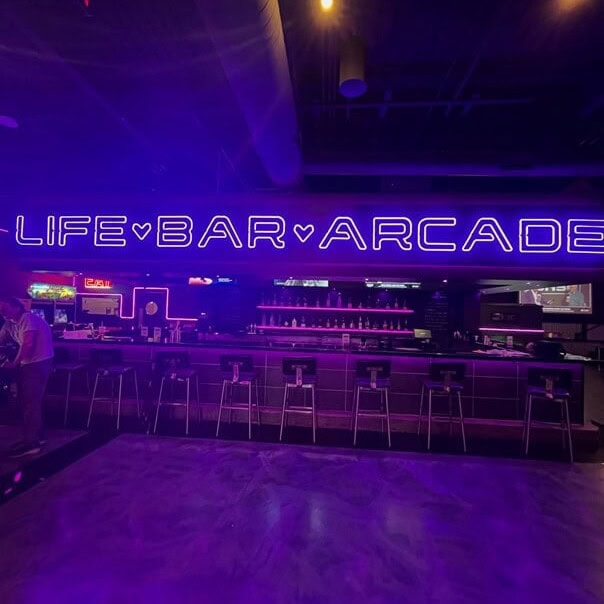
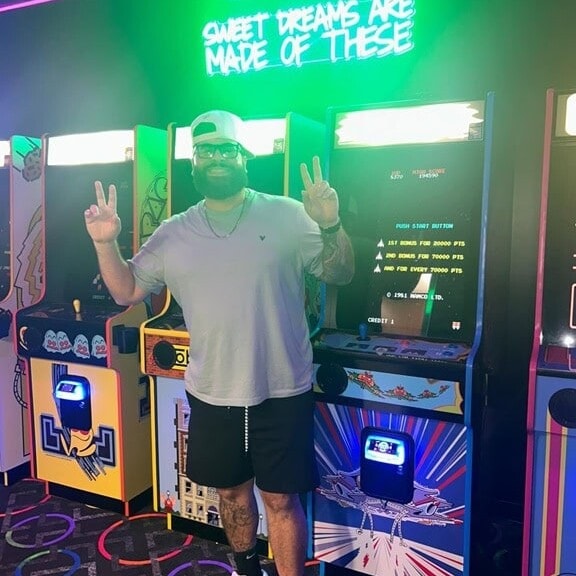
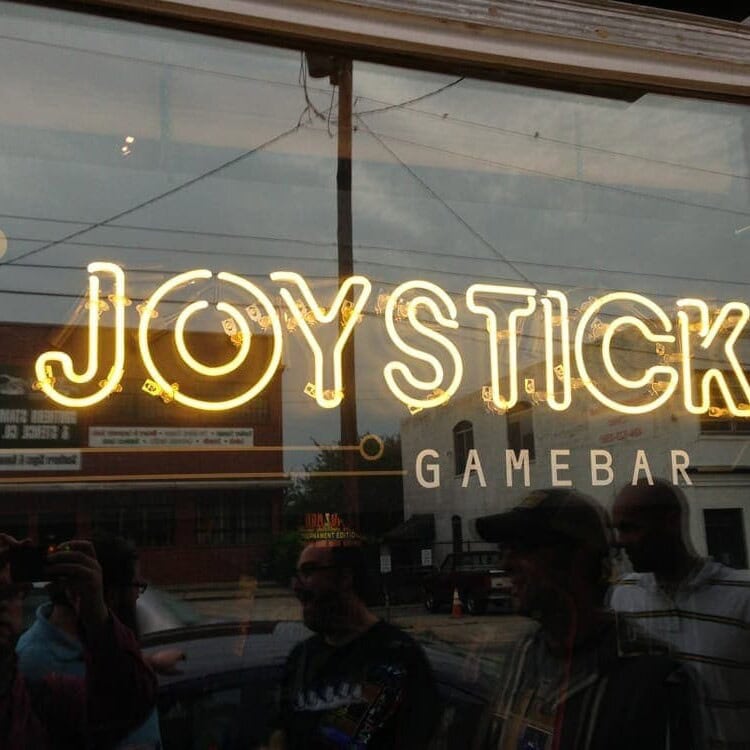
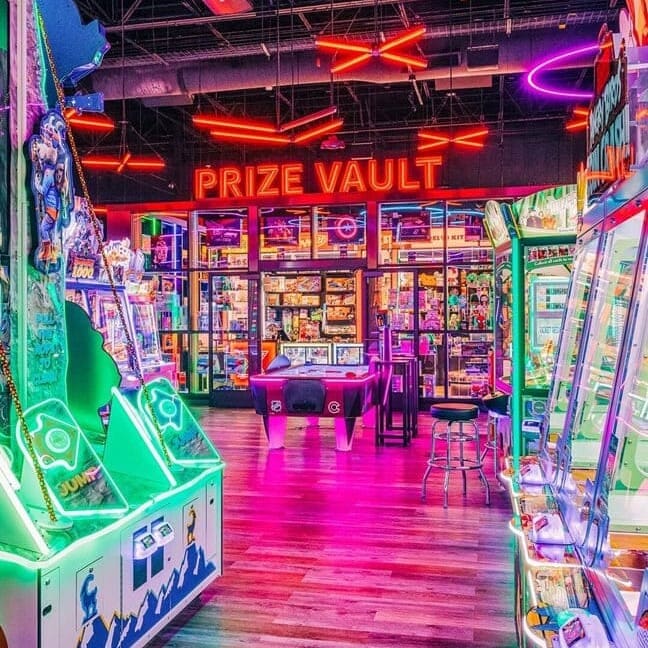
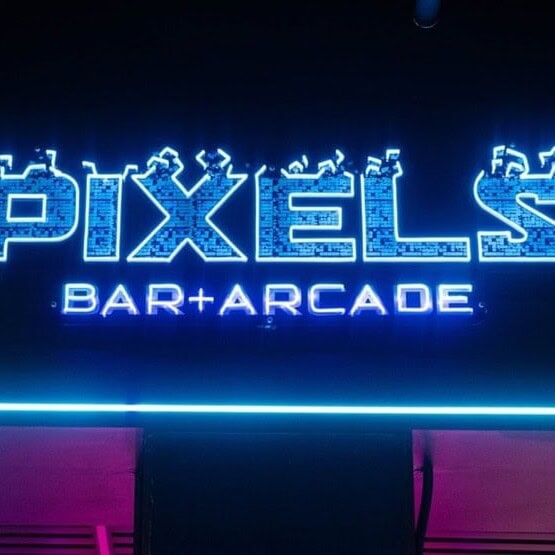
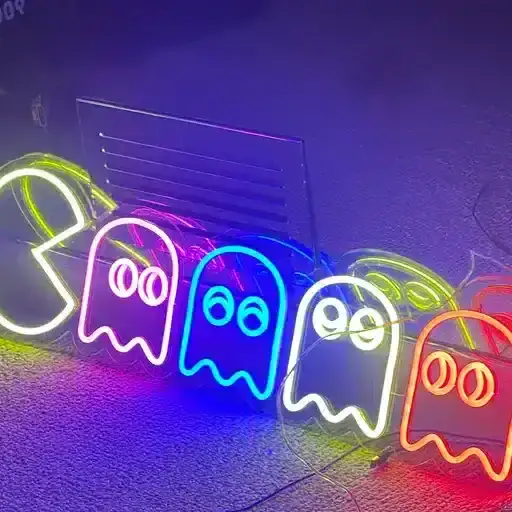
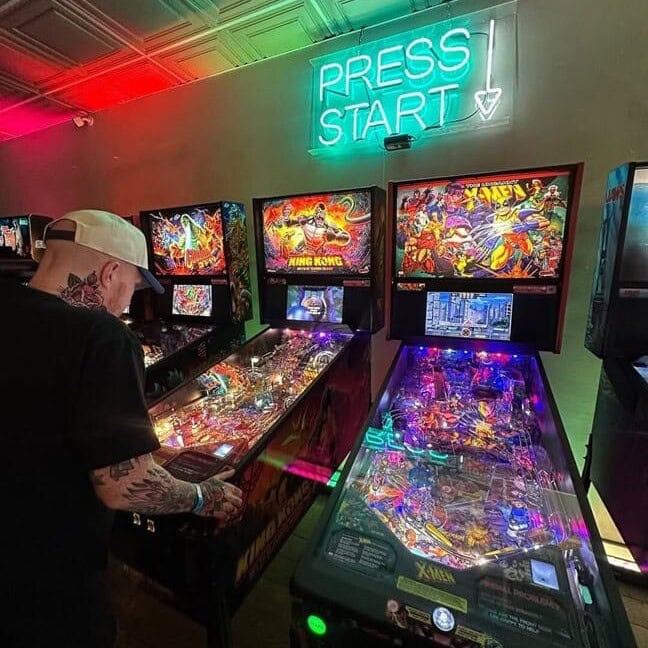
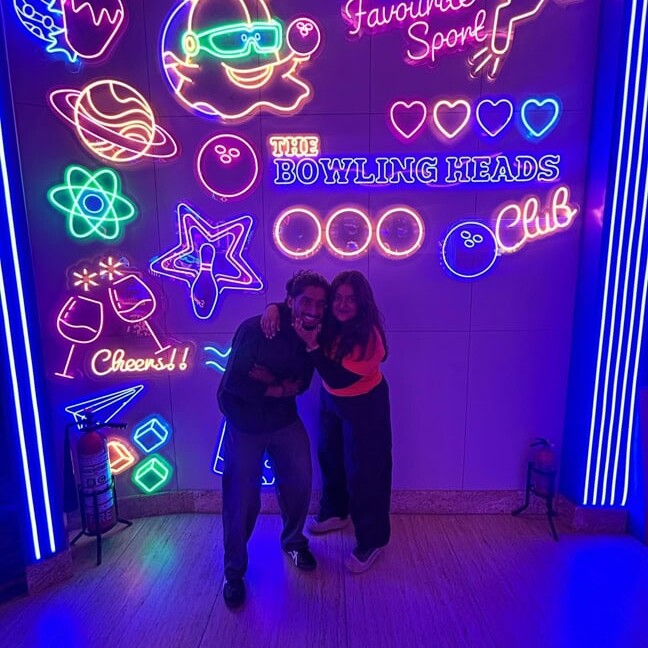
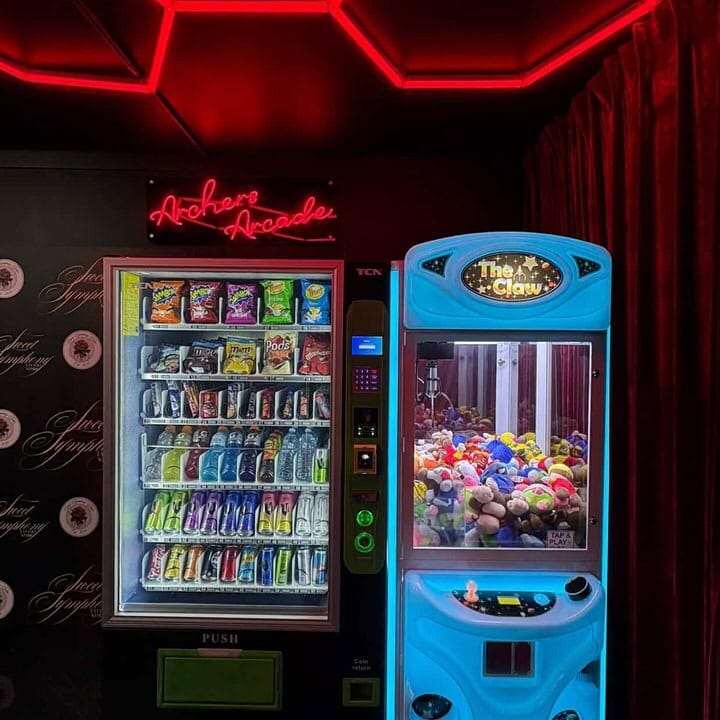
An arcade neon sign should help someone recognise your venue, find an attraction or understand where to go next. Echo Neon creates custom LED and glass neon for those jobs, from a single retro arcade logo to coordinated signs for bowling, laser tag, escape rooms and family entertainment centres.
Start with the visitor journey rather than a shopping list of glowing words. Your entrance, attraction junctions, food counter and prize collection point do not need the same size, brightness or controls. A sign beside a flashing cabinet also faces a different visual challenge from one in a quiet escape-room lobby.
This guide covers placement, material choice, RGB control, operating conditions and sizing for Australian venues. Private arcade owners will also find guidance for smaller installations. Explore our shop by use case options for other settings.

White tube
Steps to get your custom neon logo
Design your piece
Looking for a graphic-based neon sign? Upload your file and drop us a line about its size, color, and how soon you need it.
Get your quote
Uploaded? Sit back, and relax. our team will jump right in and transform it into a proof ready for your approval within 24 hours.
Confirm your design
Once you're happy with your proof, just make the payment with our secure invoice and then the magic begins! Your handcrafted neon art will be ready to ship within one week.
Front door delivery
Enjoy free worldwide delivery for all custom neon sign orders! When it comes to the packaging, we don’t mess around with your neon art piece! It will be packed with protective bubble wrap in a sturdy cardboard box or custom wooden case ready for adventure.
Create a Custom Neon Sign
-
 Learn moreDots will be represented as short lines.
-
Font
Learn moreRGB Color is Not Available for Egypienne font. -
Color -
White tube when off
Colored tube when off
Select each letter to customize its colorMulti Color
 True Color
Size (Height of each line) :
The sign width will be proportional to the chosen font and word spacingW×H(approx.): 0.00cm × 0.00cm 0.00in × 0.00in

Free 3M Command Strips
For best results, we recommend using at least one pair of Command Strips per foot of width.
Free Standard Screws
Production Time: 1-2 weeks

Steps to get your custom neon logo
Design your piece
Looking for a graphic-based neon sign? Upload your file and drop us a line about its size, color, and how soon you need it.
Get your quote
Uploaded? Sit back, and relax. our team will jump right in and transform it into a proof ready for your approval within 24 hours.
Confirm your design
Once you're happy with your proof, just make the payment with our secure invoice and then the magic begins! Your handcrafted neon art will be ready to ship within one week.
Front door delivery
Enjoy free worldwide delivery for all custom neon sign orders! When it comes to the packaging, we don’t mess around with your neon art piece! It will be packed with protective bubble wrap in a sturdy cardboard box or custom wooden case ready for adventure.
Create Your Own Glass Neon Sign
-
Learn moreDots will be represented as short lines.
-
Font
-
Color -
White tube when off
Colored tube when off
Size (Height of each line):
The sign width will be proportional to the chosen font and word spacingW×H(approx.):
0.00cm × 0.00cm
0.00in × 0.00in
Backboard:
Choose Cable Color:
Production Time: 2-3 weeks

How to Order Your Entertainment Venue Sign
Organise the order around design approval, production and delivery, with one clear specification for each sign.

1. Design
First, prepare the design. Provide your venue logo or wording, a floor plan, wall photographs and intended dimensions. Identify the sign by zone and state whether it needs a fixed colour, RGB, individual control or an outdoor build. For text designs, review font and spacing; for artwork, confirm the proof before manufacture.

2. Choose LED, Glass or RGB
Second, confirm production. Request a written schedule for the complete package after artwork approval. A simple sign and a large multi-zone build may have different lead times. Allow for approvals, electrical work and access arrangements before choosing an installation date or advertising a reopening.

3. Production and Delivery
Third, arrange delivery. Confirm the delivery postcode, receiving contact, package dimensions and any freight charges. Identify where large panels can be unloaded and stored safely. Production completion, dispatch and installation are separate milestones.
For several venues, retain the approved artwork and component specifications so later orders can be checked against them. Discuss spare components and how a replacement sign will match the existing installation.
Use the LED sign designer for a fixed-colour text sign, or send us the artwork and control requirements for an RGB proposal. Custom glass neon can suit a protected retro feature. Browse our neon sign collection for more design ideas.
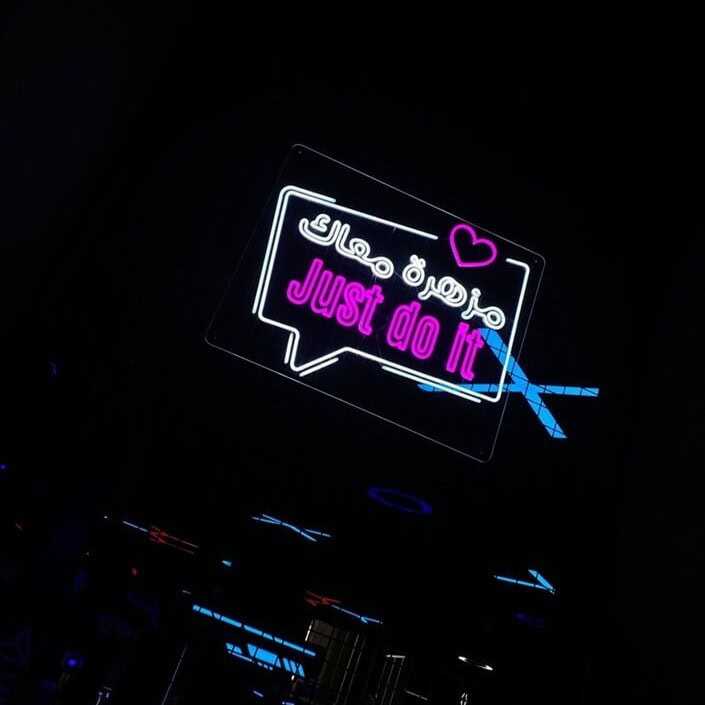
Where Arcades and Entertainment Venues Use Neon Signs
Walk the venue from arrival to departure and note where a first-time guest has to make a decision. Those points usually deserve attention before another decorative feature wall. Keep attraction names consistent with booking confirmations, maps and staff directions.
Entrance and lobby. Put the venue name where arriving guests can recognise it before joining a queue. Check the view with reception screens, queue barriers and party groups in place. An attractive logo that disappears behind waiting customers will not help arriving guests identify the venue.
Attraction zones
Bowling, Arcade, Laser Tag and Escape Rooms need readable identification at the approach to each area. Use words as well as colour, so visitors do not need to remember which lighting colour belongs to which activity. Decorative signs should complement, not replace, required exit and accessibility signage.
Arcade floor
Position zone markers above the visual clutter of cabinets without obstructing maintenance access. Racing, redemption and classic-game sections may need separate labels; individual machines generally already identify themselves. Avoid giving every surface equal brightness or the main destinations become harder to find.
Bowling areas
Locate branding outside sightlines to lane numbers and scoring screens. Test the design from the seating area and approach, not just from the wall beneath it. Colour-changing accents can support glow bowling while the information guests need remains steady.
Escape-room entrances
Let the artwork introduce the theme, but keep the room name easy to match with the booking. The sign must not conceal door hardware, cameras or emergency information.
Bar and food areas
Separate ordering from collection where the layout requires it. A barcade may use a heritage-style feature behind the bar and clearer destination labels on the games floor. Our pub and nightclub neon signs guide addresses the hospitality side in more detail.
Photo walls
Leave room for a group and the person taking the photograph without blocking circulation. Check framing from both standing and seated positions; there is no single mounting height that suits every visitor.
Exterior identification. Judge the sign from the car park approach and pedestrian entrance. Confirm suitability for the actual weather exposure, power arrangement and mounting surface. If the sign will be displayed indoors behind glass, see our storefront neon signs guide.
Choosing the Right Sign for Each Attraction
LED neon is usually the practical starting point for a busy attraction floor. Its flexible illuminated line avoids exposed glass tubing, and compatible controls can provide dimming or colour changes. That does not make a complete sign impact-proof: the backing, fixings, cables and power supply still need protection from guests and equipment.
Choose the lighting capability before finalising artwork. A single-colour sign can be appropriate for an attraction name that must remain recognisable every day. RGB is useful when changing the colour serves an event programme. Animated effects require suitable hardware and control; they are not a feature of every LED sign.
Glass neon belongs in a more protected setting where the handmade tube is part of the experience. A retro arcade reception or barcade feature wall may justify glass even when the rest of the venue uses LED. Keep it away from ball games, moving equipment and places visitors can lean against or reach.
For multiple signs, compare complete installed proposals rather than material labels alone. Ask about individual controls, access for replacement and the construction of larger panels. One shared supply may simplify a layout but can also affect several signs if it needs servicing.
The recommendation is therefore location-specific: consider LED for active zones, glass for protected heritage features, and RGB only where changing colour has a clear purpose.
RGB Colour-Changing and Themed Event Lighting
A useful event setup needs repeatable settings, not just a remote with many buttons. Decide which signs should change together, which must stay independently adjustable and who will operate them during a busy shift.
For example, a bowling area could use a blue-and-purple evening setting while the reception logo stays in its usual brand colour. A birthday room might change for each booking without changing the neighbouring laser-tag entrance. These are planning examples, not assumptions about what every controller can deliver.
Ordinary RGB, individually addressable effects and integration with an existing lighting desk are different specifications. Ask whether the proposed system supports the scenes you need, whether separate zones require separate receivers, and what happens after power is restored. Do not assume a basic remote can synchronise a building’s lighting.
Keep operational information legible in every setting. A prize counter label should not become unreadable during a colour cycle, and flashing branding should not compete with exit signs. A steady, reduced-brightness option also gives staff an alternative when an event calls for less visual activity.
Before handover, test the approved settings with the cabinets, scoreboards and attraction lighting running. Label the controls by location and record a simple default setting for ordinary trading. Staff should be able to restore it without experimenting through a sequence of effects while guests wait.
Built for Entertainment Venue Conditions
Entertainment spaces combine long operating sessions, physical activity and rapidly changing light. Treat the sign as part of the fit-out, with a location and maintenance plan, rather than as something to attach wherever a power point is available.
Contact and movement. Check the reach of children on nearby furniture, the swing of doors and the path used to move game cabinets. Keep signs clear of trampoline activity, loose balls and queue barriers. Use a mounting arrangement appropriate to the wall and complete sign weight, including any protective housing.
Dark attractions
Run a brightness test from the player’s position. A small sign can appear dominant in a dark corridor even when it seems restrained in reception. Maintain separate task, circulation and emergency lighting; decorative neon is not a substitute for any of them.
Long hours
Include staff setup and cleaning time when estimating daily operations. Ask for the rated hours and operating limits of the supplied components, but do not treat an LED rating as a guaranteed service life for the controller, power supply or complete installation. Keep these components accessible without dismantling an attraction.
Outdoor exposure
Specify an outdoor build in writing. Where IP67 protection is offered, confirm which components it covers and how the connections and power supply are protected. That rating alone does not establish resistance to sunlight, impact or every cleaning method. Check council, landlord and centre-management requirements before committing to an exterior position.
Schedule inspections when the relevant area can be closed safely. Staff should report loose fixings, damaged cables or unusual operation rather than attempting electrical repairs between bookings. A simple sign-location register helps maintenance teams identify the correct unit.
Sizing for Arcades and Entertainment Venues
Use the following widths as layout starting points, not measured visibility guarantees. Letter height, wording, viewing angle and competing light matter as much as the overall panel width. Mock up the complete backing, not only the illuminated letters.
Entrance and lobby signs: approximately 90-180 cm can suit a reception feature. Check the available width between doors, screens and other fixtures, and review the artwork from the arrival point rather than immediately beneath the sign.
Attraction zone signs: around 60-120 cm is a useful initial range for short destination names. Longer wording may need more width or a simpler layout. Check whether a suspended sign is visible from both directions before specifying a single-sided build.
Bowling lane-end signs: roughly 50-90 cm per selected lane section can be explored without assuming each lane needs its own neon feature. Leave scoring and lane identification visually distinct.
Escape-room entrance signs: approximately 60-120 cm, adjusted to the doorway and theme. The smallest letters still need to be readable from the waiting position.
Bar signs: around 60-150 cm, depending on bottle shelving, menu screens and the counter’s width. Allow access for cleaning and restocking behind the feature.
Photo-wall signs: approximately 75-120 cm is a starting range. Test a full group photograph so the people do not cover the only recognisable part of the venue name.
Exterior signs: begin a site discussion around 120-300 cm, then size to the actual approach, frontage and approval limits. Some buildings need another sign format or a larger engineered installation rather than a scaled-up interior design.
Home arcade signs: around 45-90 cm usually offer a more manageable starting point. The room’s furniture and screen reflections, not a commercial venue’s dimensions, should guide the final choice.
Entertainment Business Types We Build Signs For
The attraction mix determines the sign package. Keep the overall identity coordinated, but allow each area to solve its own visibility and operating problems.
Retro arcades and classic arcades
Use the cabinet collection as a reference for typography and colour rather than copying a licensed game logo. A protected glass feature can suit a period-inspired reception, while LED destination signs help distinguish racing, pinball and redemption areas. Leave access above and behind cabinets for servicing; a wall installation should not make moving one machine a major job.
Barcades
The games floor and bar can share a visual style without sharing every lighting setting. Keep the bar name readable while arcade accents change for an event, and place delicate glass away from queues and glassware handling. For behind-bar placement and hospitality-specific decisions, use our pub and nightclub neon signs guide alongside the attraction plan.
Bowling alleys and bowling centres
Coordinate lane-area features with scoring displays, shoe hire and the route to the approaches. Signs repeated along a long wall need consistent dimensions and alignment, but their brightness may need individual adjustment. Check both ordinary bowling and glow-night conditions. A colour-changing build is useful only where it contributes to the lighting programme.
Family entertainment centres
Map reception, attractions, party rooms, food and prize collection before deciding quantities. For example, one entrance logo, four attraction markers, a food sign, a prize sign and a photo feature make eight signs. A smaller venue may need fewer; add signs where visitors need help finding a destination.
Escape room facilities
Keep the facility name consistent across the lobby while individual room signs reflect different stories. Artwork should not reveal a puzzle solution or look like a clue unintentionally. Plan how a room re-theme would affect the sign and its fixings, and keep the emergency information separate from theatrical effects.
Laser tag arenas
The entrance, briefing area and score collection point may benefit more from neon than the playing arena itself. In the arena, additional light can change visibility and the intended experience. Test proposed placement with the attraction operator, dim from the player’s viewpoint and protect cables from contact with equipment.
Trampoline parks and indoor adventure parks
Concentrate branding in reception, spectator and party-room areas outside the activity envelope. A securely mounted LED sign is still not designed to be struck or used as a handhold. Keep destination labels clear and retain the operator’s dedicated safety instructions, height restrictions and emergency signs.
Karaoke bars and VR arcades
Karaoke room names should be easy to match with a booking; a single illuminated number may be more useful than elaborate wording. At VR stations, keep signs and their cables outside the movement boundary. Independent lighting controls allow one room or station to change atmosphere without affecting neighbouring users.
Home game rooms and man caves
A private arcade can use a room name, gamer tag or original retro-inspired graphic at residential scale. Glass works on a protected display wall; LED offers more flexibility for dimming and compatible colour changes. Plan around the actual collection and seating rather than reproducing a commercial venue’s entire sign system.
Frequently Asked Questions
Request an AUD quote for the planned signs. Dimensions, artwork, controls, outdoor requirements and the number of units affect the total. Ask for supply, freight and installation inclusions to be shown clearly, with GST stated.
RGB mixes red, green and blue light to provide selectable colours. It is worth considering when event settings change regularly. A steady brand-colour sign may be enough for everyday destination marking. Specify animation or control-system integration separately rather than assuming these are included with RGB.
Start with LED in active guest areas and consider glass for protected retro features. Compare the intended location, access for maintenance and control requirements. Choosing glass for a reception logo does not mean the attraction markers need to use glass too.
Count the decisions guests need help making, not just the rooms on a plan. One entrance feature and a few well-positioned attraction markers may be sufficient. Larger venues can add food, prize and party-room identification where these destinations are not already clear.
They can, but the test is readability without distracting glare. Trial the intended brightness with the attraction lighting operating. Keep essential route information visible in every scene and give staff a simple steady-light setting rather than relying exclusively on colour effects.
Order a build specifically approved for that exposed position. Confirm protection for the sign, connections and supply, plus suitable exterior fixings. Do not move an indoor unit outdoors merely because it is sheltered by an awning. Property and council conditions also need checking.
There is no reliable venue-wide lifespan without the supplied specifications and operating conditions. Daily hours, heat, cleaning and component access all matter. Ask which parts are serviceable and what warranty applies to commercial use instead of converting a component rating into a promised replacement date.
Discuss the rollout with our team using one approved brand specification and a separate site schedule for each location. Record dimensions, colours, controls and mounting requirements. Matching artwork does not mean every building can use the same panel size or electrical arrangement.
Yes. Personalised room names and original arcade-inspired designs can be planned in LED or glass. Share the wall dimensions, viewing distance and nearby screens so the design suits a private room rather than a commercial attraction floor.
Build Signs That Work for Your Entertainment Venue
Start with the guest journey, then choose the appearance and controls that support it. A reception logo, attraction marker and photo feature have different jobs, even when they share the same brand colours. Echo Neon can help translate that plan into LED or glass designs without treating every wall as the same installation.
Start a venue name in the LED sign designer, or send us a floor plan and the signs needed for each area. Our shop by use case collection covers other commercial and residential spaces.


